Sustainability and impact
Understanding how businesses, industries and assets are changing, and identifying where capital can support that transition.
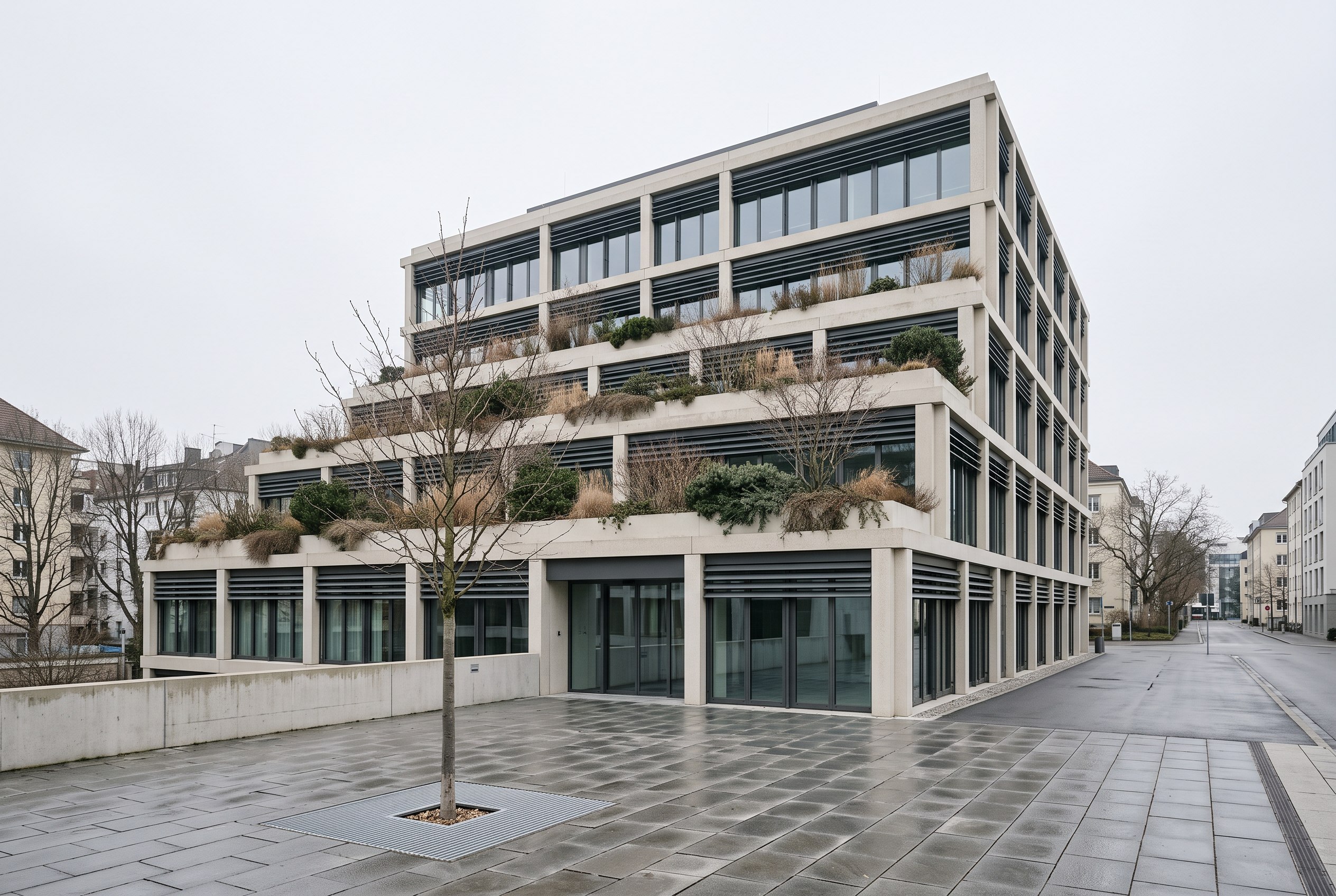
A broader investment perspective
01 / ApproachWe view sustainability as part of a broader investment perspective: understanding how businesses, industries and assets are changing, and identifying where capital can support that transition.
Our activities across real estate, energy, packaging, private equity, M&A and venture capital let us participate at different stages of economic development, from established businesses and strategic acquisitions to emerging technologies and high-growth companies.
That breadth is the point. A transition that is only visible in one sector is usually not a transition at all, and a business model that works in a pitch deck has still to survive a factory, a planning authority and a customer.
What follows describes how these factors are weighed when an investment is considered. It sets no targets and claims no outcomes, for the reason set out at the end of this page.

Supporting the next generation of business
We invest in new technologies, startups and innovative businesses with the potential to reshape industries and address evolving market needs.
- We look beyond the technology itself, at the quality of the underlying business
- The people behind it, and whether they can build as well as invent
- Whether the model scales, and whether the value it creates lasts
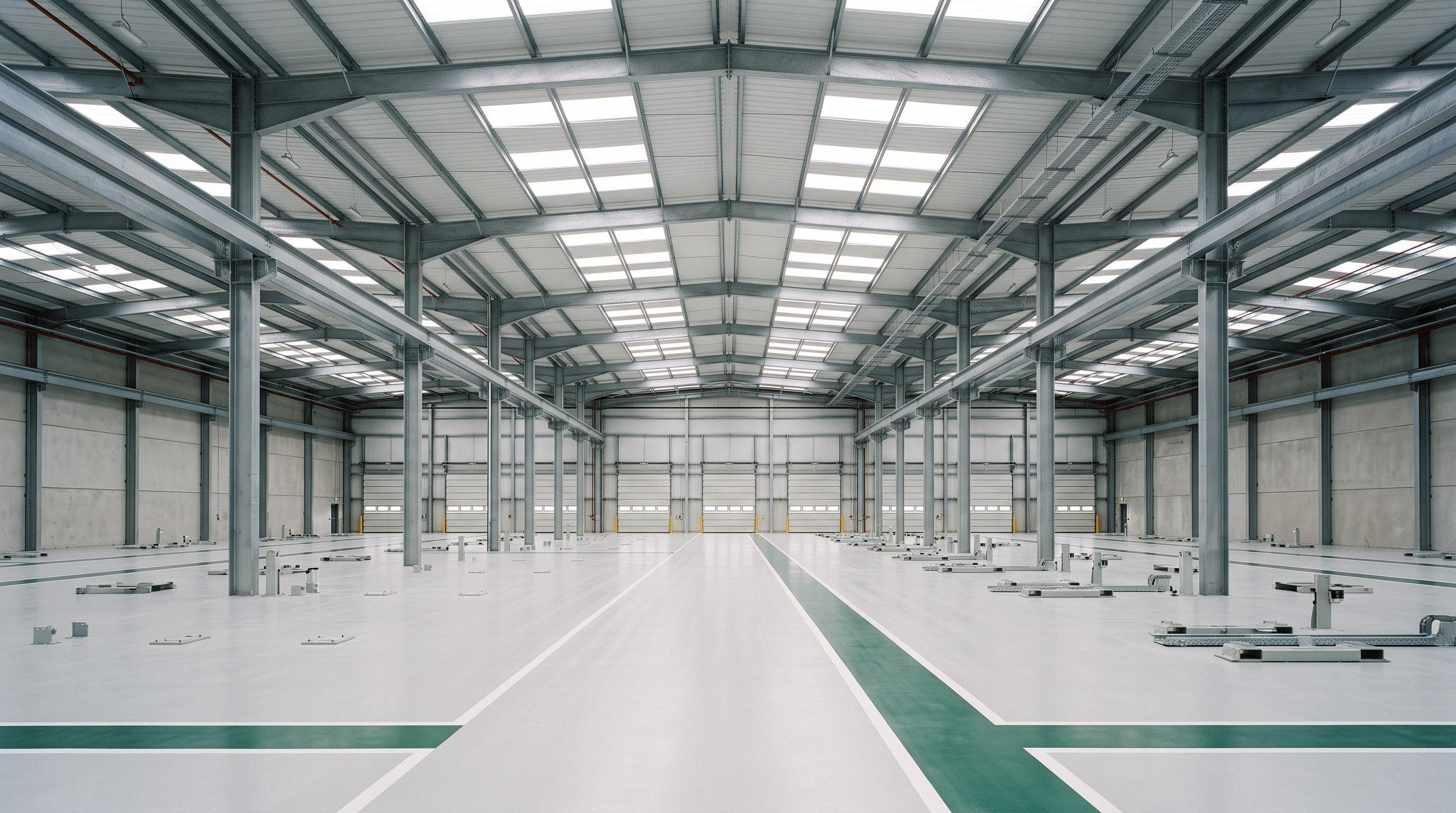
Transforming established businesses
Through private equity and M&A we work with established companies where strategic investment, new ownership or additional capital can support the next phase of development.
- Expansion, operational transformation and technological development
- Acquisitions, and succession where a shareholder is stepping back
- Responsible ownership as the thing that makes a business more adaptable

Real estate and the built environment
Long-term ownership creates an opportunity to improve the quality, efficiency and resilience of an asset over time, which a short hold never does.
- Energy performance, and what it costs the occupier as well as the owner
- Resource efficiency and build quality, judged over decades not years
- The needs of occupiers, who are the reason a building has any value
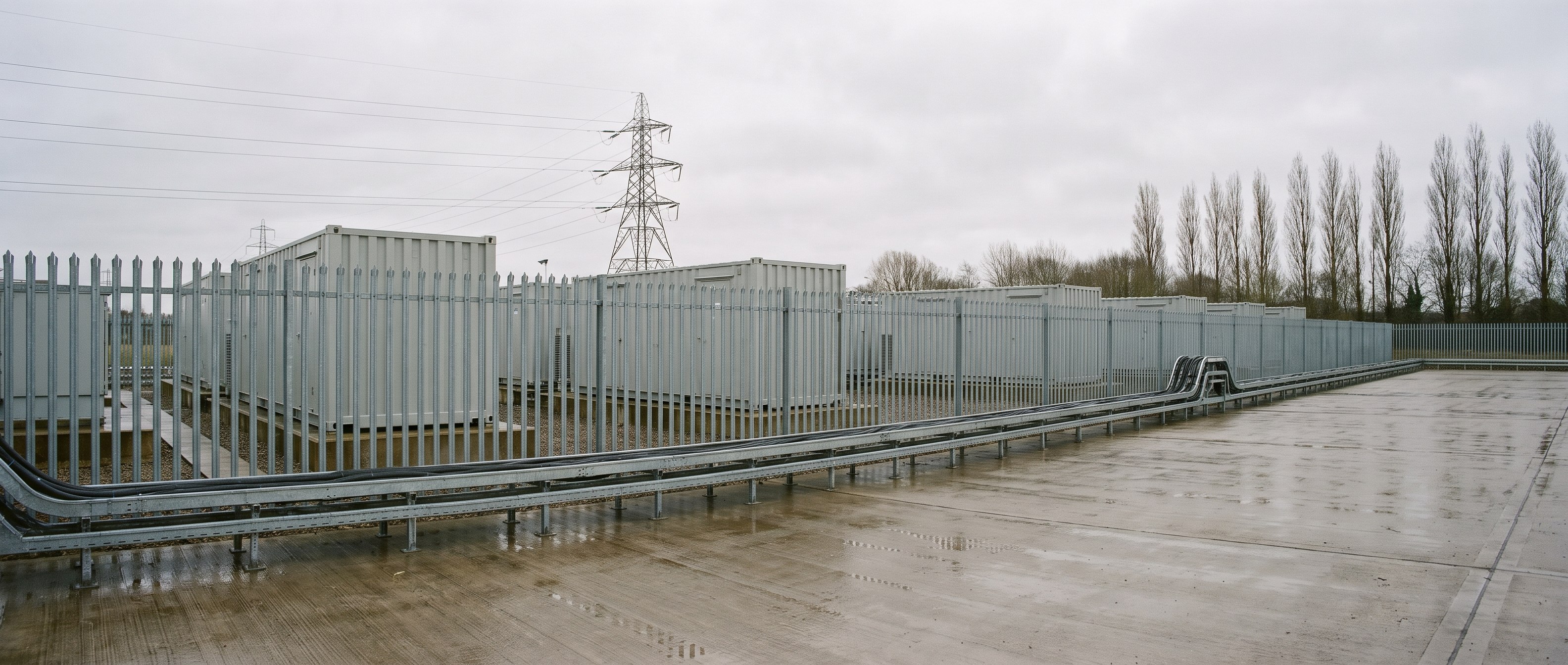
Energy and resource efficiency
Our involvement in the energy sector reflects the importance of efficiency, innovation and the transition towards more sustainable sources of energy.
- Businesses and technologies that use resources more efficiently
- Infrastructure that supports the evolution of energy systems
- Fundamentals first: a transition thesis is not a substitute for one

Packaging and innovation
Packaging sits at the point where material science, industrial capability and regulation meet, and it is changing faster than most industries.
- New materials, and whether they perform outside a laboratory
- Recyclability and reuse designed in rather than claimed afterwards
- Established manufacturers adapting their processes, not only newcomers
Where the law currently stands
For a commercial landlord in England and Wales, energy performance stopped being a disclosure and became a condition of letting.
- EPC
- An Energy Performance Certificate is required before a commercial building is marketed for sale or letting, and is valid for ten years. It rates the building's asset performance from A to G.
- MEES, since 2018
- The Minimum Energy Efficiency Standards made it unlawful to grant a new tenancy of a commercial property in England and Wales rated F or G from April 2018.
- MEES, since April 2023
- That prohibition extended to continuing to let. Since 1 April 2023 an F or G rated commercial property cannot lawfully be let at all, subject to the registered exemptions.
- What has been proposed
- Government has consulted on raising the minimum to EPC C and subsequently B for commercial property later this decade. It has not been enacted. We plan on the assumption that the standard will rise, without treating a proposal as a deadline.
What we do not claim
This page has no percentages, no target year and no scheme badge. That is a decision, not an oversight, and it is worth explaining.
No net zero target
A target year is only meaningful on top of a measured baseline across the whole portfolio. Publishing one without that would be a guess dressed as a commitment, and the industry has enough of those.
No offsetting
Buying offsets against emissions from buildings we control would let us leave those buildings as they are. The work described on this page is slower and it is the actual job.
No certifications we have not earned
No scheme badge appears on this site. If a building achieves a rating under an assessment method, that belongs on the particulars for that building rather than on a company page.
No numbers we cannot evidence
There are no percentages on this page. Every figure elsewhere on this site comes from the Companies House record and is linked to it. That rule does not stop at the sustainability page.